Finding out your home has high radon levels can feel overwhelming. However, what’s even more concerning is living in a home with elevated radon levels without knowing it. Fortunately, homeowners today have several reliable ways to test for radon and protect their families.
In our previous article on how radon is tested, we discussed the most common testing methods and why professional testing matters. Radon levels are measured in picocuries per liter (pCi/L), and the EPA currently recommends taking action when levels fall between 2 pCi/L and 4 pCi/L.
How Radon Enters Your Home
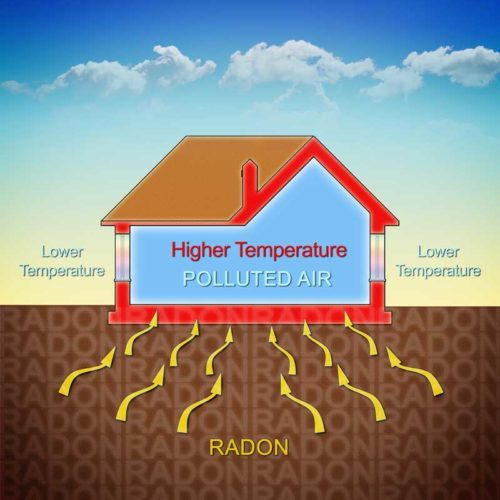
Radon is a naturally occurring radioactive gas released from the soil. As the gas rises from the ground, it can enter your home through small openings and unsealed areas, including:
- Cracks in concrete slabs
- Gaps around plumbing supply lines
- Openings around plumbing waste lines
- Basement lift station basins
- Foundation cracks and other structural gaps
Once radon enters the home, the gas can build up over time. In many newer homes, tighter construction and improved energy efficiency standards can actually trap radon indoors more easily. As a result, radon levels may increase if the home lacks proper ventilation or mitigation systems.
For more information about home safety concerns, visit our Resources page.
Why High Radon Levels Are Dangerous
Radon becomes dangerous during the radioactive breakdown process. As the particles break down, they release small bursts of energy. Over time, those particles can damage lung tissue when inhaled repeatedly.
Long-term exposure to high radon levels increases the risk of lung cancer. Although exposure does not guarantee someone will develop cancer, the risk rises significantly with prolonged exposure.
According to the EPA’s Basic Radon Facts Pamphlet:
“Breathing radon can increase your risk of lung cancer. Radon is the number one cause of lung cancer among people who do not smoke.”
Additionally, smokers face an even greater risk when exposed to elevated radon levels.
Signs You May Need Radon Testing
Because radon is colorless, odorless, and invisible, you cannot detect it without testing. That’s why testing remains the only reliable way to know whether your home has elevated levels.
You should strongly consider testing if:
- You have never tested your home before
- You recently purchased a home
- Your home has a basement or crawl space
- You completed major renovations or foundation work
- Nearby homes reported high radon levels
To learn more about the testing process, read our article on How Radon Is Tested.
Why Professional Radon Testing Matters
Although DIY test kits are available, professional radon testing provides greater accuracy and reliability. Certified radon specialists use advanced continuous monitoring equipment that tracks fluctuations and identifies possible testing interference.
At Home Inspection Carolina, our certified inspectors follow professional testing standards recognized by NRPP and AARST. As a result, homeowners receive accurate readings and greater peace of mind.
You can also explore our Services page to learn more about our radon testing and inspection services.
Protect Your Family From Radon Exposure
Radon can create serious long-term health risks if homeowners ignore elevated levels. Fortunately, testing is affordable, simple, and highly effective at identifying problems early.
The Surgeon General recommends that all homes be tested for radon. By scheduling professional testing, you can better protect your family and make informed decisions about your home’s safety.
If you live in North Carolina or South Carolina, contact Home Inspection Carolina today to schedule certified radon testing.
For additional information about radon risks and safety recommendations, visit the EPA’s website.