
How to Deal with Coliform and E.coli Contamination in Your Well Water
Discovering Coliform or E.coli in your well water can be unsettling. Even worse, these bacteria can indicate the presence of harmful pathogens that pose serious health risks. Fortunately, there are clear steps you can take to identify the problem, understand what caused it, and fix it for good.
Recognizing the Symptoms and Causes
Symptoms of Contamination
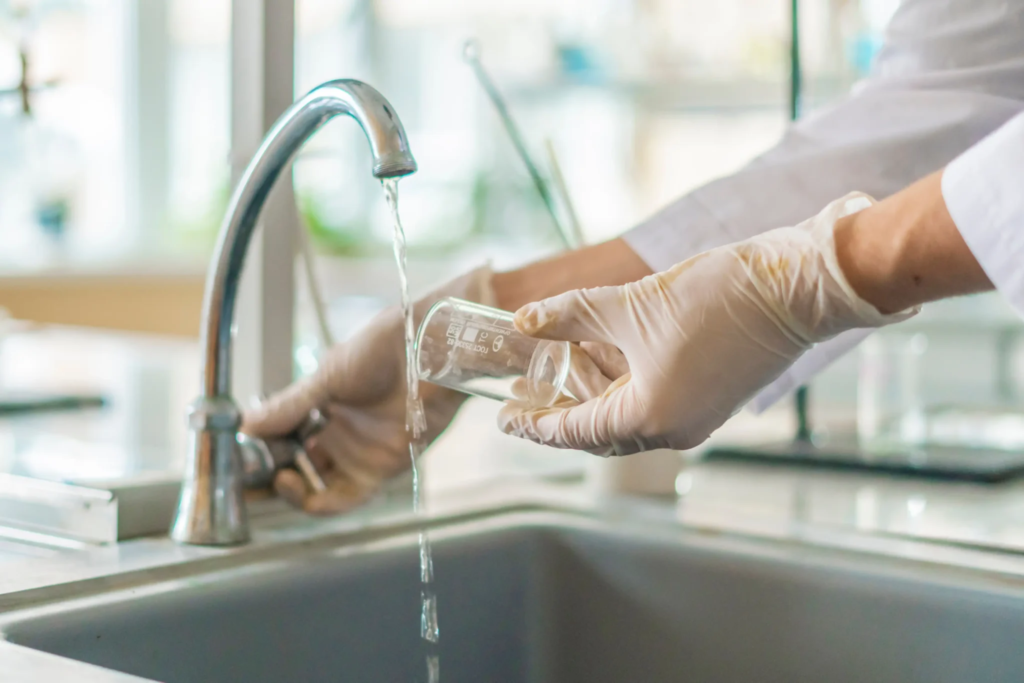
First and foremost, contaminated water does not always look, smell, or taste different. Because of this, regular testing is crucial. That said, exposure to Coliform or E.coli can cause nausea, vomiting, fever, abdominal cramps, and diarrhea. If you experience any of these symptoms and use well water, test your water immediately.
Common Causes
Coliform and E.coli can enter well water through several pathways, including:
- Runoff from agricultural areas
- Faulty septic systems
- Floodwaters
- Waste from animal farming
Understanding these entry points is the first step toward preventing contamination in the first place.
Approaches to Prevention and Maintenance
Regular Testing
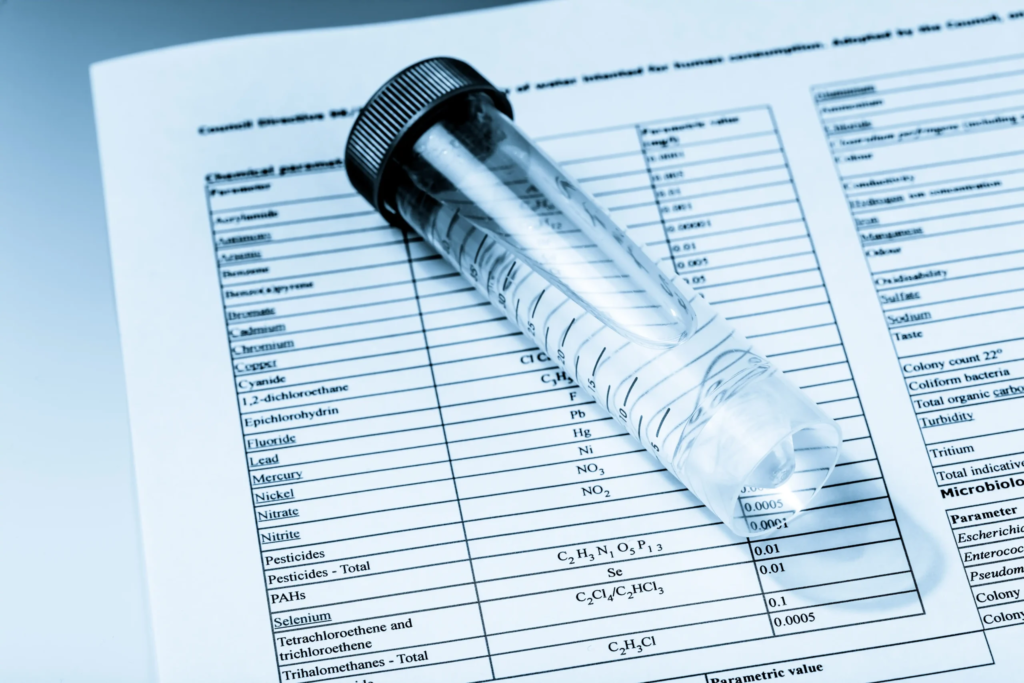
To start, test your well water at least once a year for Coliform bacteria and E.coli. Local health departments often provide these tests, or you can use a certified laboratory. Either way, consistent testing is your first line of defense.
Proper Well Construction and Maintenance
Beyond testing, make sure your well is correctly located, constructed, and maintained. Specifically, the well should be sealed tightly to prevent surface water from entering. On top of that, regular professional inspections can catch potential issues before they turn into full contamination.
Managing Runoff
In addition to proper construction, divert surface water away from your well to block contaminants from reaching your water supply. Keep the area around your wellhead clear of debris, fertilizers, and pesticides at all times.
Remedying Coliform and E.coli Contamination
As soon as you detect Coliform or E.coli, stop using the water for consumption. In the meantime, use bottled water or boil tap water for at least one minute before drinking, cooking, or washing dishes.
Shock Chlorination
Once you have stopped using the water, the next step is shock chlorination. This is one of the most effective methods for eliminating bacteria from well water. The process involves adding a strong chlorine solution directly to your well and plumbing system. However, it is essential to follow specific safety guidelines throughout. The Centers for Disease Control and Prevention (CDC) provides a detailed guide on performing shock chlorination correctly.
Water Treatment Systems
For a long-term solution, consider installing one of the following treatment systems:
- UV Light Filters
- Reverse Osmosis Systems
- Chlorine Injection Systems
Each of these options can effectively remove or kill bacteria, ensuring your water stays safe over time. When choosing a system, always look for products certified by the National Sanitation Foundation (NSF) for water safety.
Preventing Future Contamination
Regular Inspections and Maintenance
Even after resolving the issue, ongoing maintenance is essential. Conduct annual well inspections and water quality tests. At the same time, check that your well cap is intact and that there are no cracks in the well casing.
Landscaping and Runoff Management
Similarly, proper landscaping around your well plays a bigger role than most people realize. Plant grass or other vegetation to absorb excess water, and reroute drainage systems away from your well area whenever possible.
Educate Yourself and Others
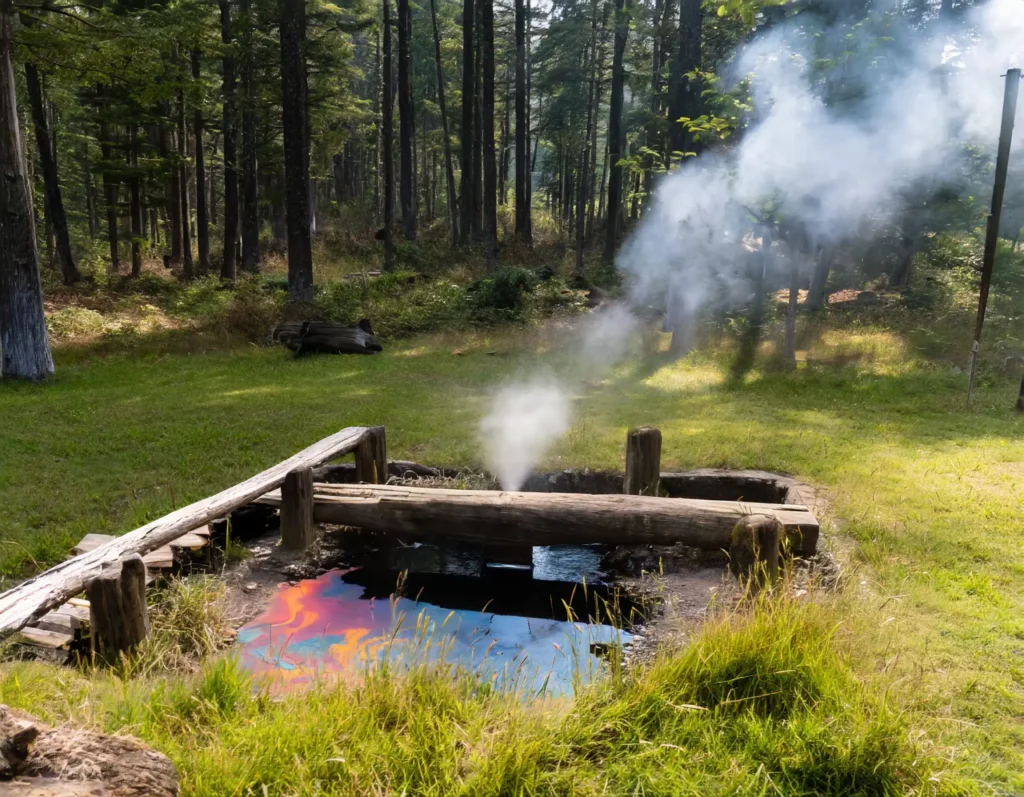
Finally, sharing knowledge on well maintenance and water safety goes a long way. Encourage your neighbors to test and maintain their wells too, since contamination in one well can affect the broader community’s water supply.
By following these steps and staying consistent, you can keep your well water clean and safe from Coliform and E.coli. Above all, remember that prevention is far easier than remediation. To schedule water testing, call us today at 704-542-6575 or schedule online.
For more tips on maintaining safe well water, follow us on social media and share this guide with the hashtags #WellWaterSafety #ColiformPrevention #CleanWater. Stay informed and stay safe!