
What Is Radon Testing?
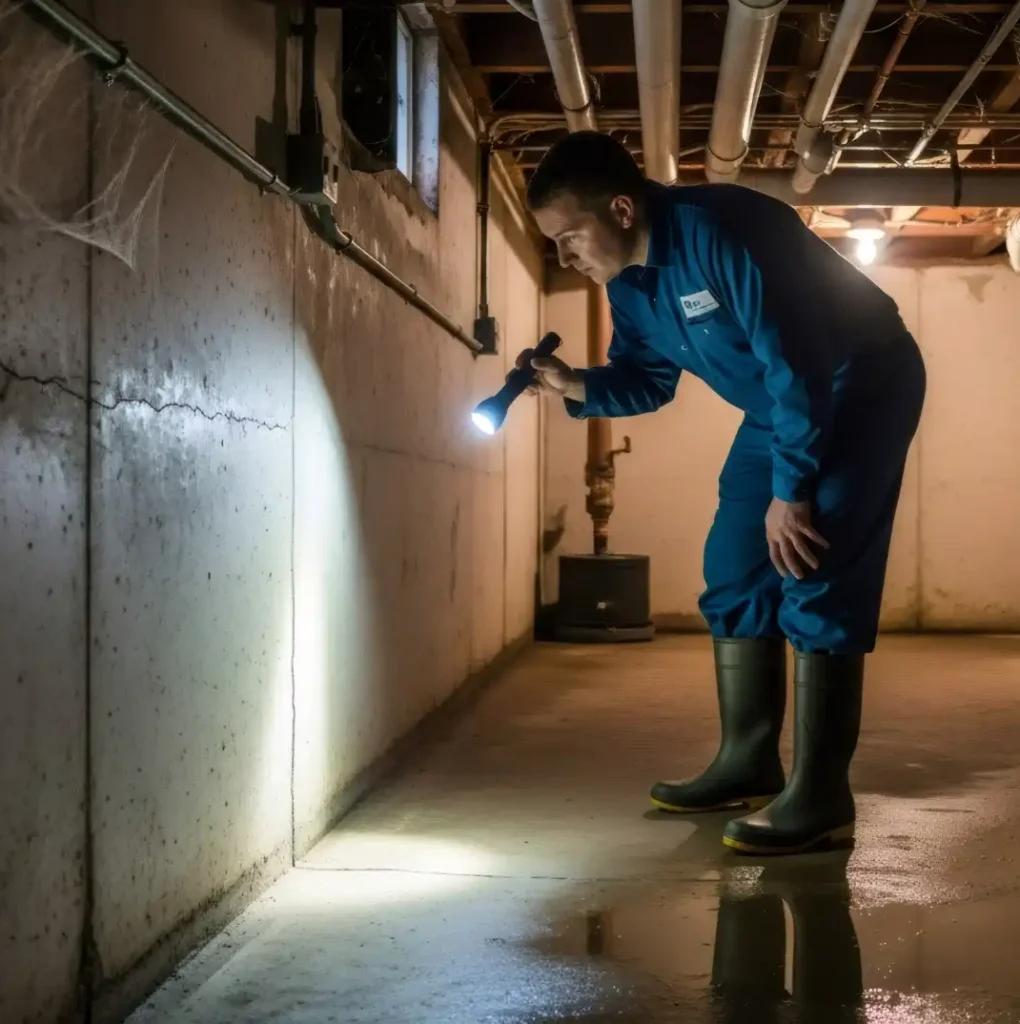
Radon testing measures the concentration of radon gas inside a home. Radon is a naturally occurring radioactive gas that enters buildings through cracks in foundations, crawl spaces, and other openings. Because it is colorless, odorless, and tasteless, testing is the only reliable way to determine whether elevated radon levels are present.
How Does Radon Enter a Home?
Radon can enter through:
- Foundation cracks
- Crawl spaces
- Basement floors and walls
- Utility penetrations
- Sump pits
- Expansion joints
- Well water (less common)
Even newer homes can have elevated radon levels, making testing an important part of the home buying process.
Why Radon Testing Is Essential for Buyers and Homeowners
Home Inspection Carolina’s InterNACHI certified inspectors provide professional radon testing across Charlotte, NC, Raleigh, Greensboro, and Fort Mill, SC. This service is vital because radon is the second leading cause of lung cancer in the United States and the leading cause among non-smokers. Furthermore, because radon is colorless and odorless, elevated levels often go undetected without professional testing. In fact, North Carolina’s specific geology makes elevated radon a very real risk in many Piedmont and western Carolinas homes.
Why Radon Testing Is Essential for Buyers and Homeowners
By conducting a professional radon test, you can identify unsafe concentrations early, allowing you to take action before long-term exposure occurs. Consequently, reducing high radon levels can significantly lower the risk of lung cancer and other respiratory health concerns. Ultimately, radon testing helps you:
- Protect your family from prolonged exposure to a known carcinogen.
- Reduce long-term lung cancer risks.
- Create a healthier indoor living environment.
- Make informed decisions about mitigation and home safety.
In summary, regular radon testing is a proactive step toward protecting your health and ensuring your home remains a safe place to live.
Enhanced Safety
Testing for radon helps reduce the risk of serious health issues caused by long-term exposure to this harmful gas. Since radon cannot be seen or smelled, testing is the only reliable way to confirm whether your home is safe. Identifying elevated levels allows you to take timely action to protect your family and improve indoor air quality.
Peace of Mind
Knowing your home has been professionally tested for radon brings confidence and reassurance. Accurate results remove uncertainty and help you feel secure about the air you breathe every day. With clear information, you can trust that your living environment supports your family’s health and well-being.
Added Home Value
A completed radon test and any necessary mitigation can make your home more attractive to buyers. Consequently, buyers look for homes with documented radon testing as part of their decision process. Addressing radon concerns early can help support smoother negotiations and greater buyer confidence, while keeping your family safe in the meantime.
Meet Health and Safety Standards
Regular radon testing helps ensure your home meets EPA guidelines and local health expectations. So staying current on radon levels protects you from unexpected issues during real estate transactions in Charlotte NC and across the Carolinas — especially in areas where elevated radon is more common.
Low Testing Cost
Radon testing is a simple step that can prevent far greater health and financial concerns in the future. In fact, early detection allows you to address elevated levels before they become a larger issue. Testing now helps you make informed decisions and avoid more extensive problems later.
Simple, Certified Process
Getting your home tested for radon is quick and non-disruptive. Our InterNACHI certified inspectors handle the entire process efficiently and provide clear, easy-to- understand electronic results. So you'll know exactly where your home stands and what steps, if any, are recommended.
Our Radon Testing Process
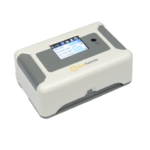
During your inspection, we place professional electronic radon monitoring equipment in accordance with industry testing standards. The monitor records radon levels over the testing period, and you’ll receive a detailed report with the measured results and recommendations if elevated levels are detected.
Step 1: Prepare
Before testing begins, your home needs minimal preparation. All windows and exterior doors should remain closed for at least 12 hours prior to the test to ensure accurate results. This creates stable indoor conditions and allows the test to measure true radon levels.
Step 2: Test
Our inspector places a professional radon testing device in your home and leaves it in place for 48 hours. During this time, the device continuously measures radon levels under normal living conditions. The process is unobtrusive and requires no disruption to your daily routine.
Step 3: Your Results
After the 48-hour testing period, the inspector downloads the data and reviews the results. You receive a clear electronic report outlining your radon levels and any recommended next steps. Home Inspection Carolina serves Charlotte NC, Raleigh, Greensboro, and Fort Mill SC — call 704-542-6575 with any questions about your results.
Radon Testing FAQs for Homeowners
What is radon testing?
Radon testing measures the concentration of radon gas inside your home to determine whether levels are elevated and if mitigation may be needed. To be sure and accurate, Home Inspection Carolina’s InterNACHI certified inspectors provide professional radon testing across Charlotte NC, Raleigh, Greensboro, and Fort Mill SC using EPA-compliant 48-hour testing protocols.
How does Home Inspection Carolina conduct radon testing?
Our InterNACHI certified inspector places a professional continuous radon monitor in the lowest livable area of your home and leaves it in place for 48 hours. The device continuously measures radon levels during normal living conditions. After the test period, results are downloaded and delivered electronically in a clear, easy-to-understand report — typically within 24 hours of collection.
What radon levels are considered unsafe?
The Environmental Protection Agency recommends taking action when radon levels reach 4.0 pCi/L or higher. Lower levels are generally acceptable but should be monitored, especially if changes are made to the home.
How can radon exposure be reduced?
Radon exposure can be reduced through professionally installed mitigation systems that safely vent radon gas from the home. Ongoing testing is also important to confirm the system is working effectively.
What should I do if my radon levels are high?
If testing shows radon levels at or above 4.0 pCi/L — the EPA action level — consult a licensed radon mitigation contractor to install a mitigation system. Home Inspection Carolina does not perform mitigation work, which means our test results are objective and unbiased. We can discuss your results and help you understand what to look for in a qualified mitigation contractor in the Charlotte NC area.