Safeguarding Your Home: A Comprehensive Guide to Protecting Yourself from Gas Leaks
A gas leak is one of the most hazardous situations a homeowner can face. Whether the source is natural gas or propane, the consequences can be severe, ranging from serious health risks to fire and explosion. The good news is that with the right knowledge and preparation, you can prevent, detect, and respond to gas leaks before they become a crisis. In this guide, we cover the essential steps and safety measures every homeowner should know.
1. Know the Warning Signs
The first and most important step is learning to recognize a gas leak before it escalates. Common warning signs include:
- A distinct sulfur-like odor similar to rotten eggs
- Hissing sounds near gas appliances or pipelines
- Dead or discolored vegetation near gas lines
- Unexplained physical symptoms like dizziness, nausea, headaches, or difficulty breathing
As soon as you notice any of these signs, treat it as an emergency and act immediately.
2. Stay on Top of Regular Maintenance
Even when everything seems fine, ongoing maintenance is one of the best ways to prevent leaks from developing in the first place. To stay ahead of potential issues:
- Have a qualified professional inspect and maintain gas appliances annually
- Regularly check for worn-out or damaged gas lines and connectors
- Keep the area around gas appliances clean and clutter-free to prevent airflow blockages
- Replace aging appliances or any showing signs of deterioration
In addition to professional inspections, a portable gas sniffer is an easy and affordable way to check for leaks at the source or around connections.
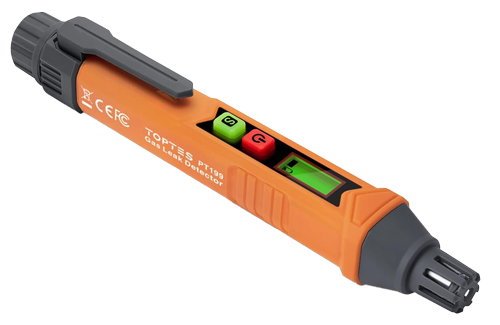
Portable Gas Sniffer for Gas Leaks
3. Start With Proper Installation
Beyond maintenance, proper installation is equally critical. In fact, many gas leaks trace back directly to improper setup. To reduce that risk from the start:
- Always hire a certified professional to install gas appliances and systems
- Make sure all appliances are properly vented to prevent gas buildup indoors
- Confirm that every gas appliance has a functioning shut-off valve for emergencies
Getting installation right the first time saves significant trouble down the road.
4. Install Gas Detectors Throughout Your Home
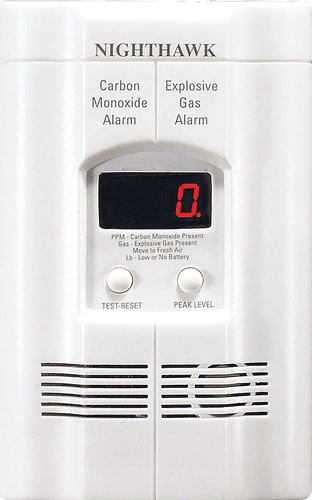
Even with proper installation and maintenance, early detection is still your best safety net. Gas detectors give you an alert before a leak becomes dangerous. To use them effectively:
- Install UL-listed natural gas detectors in key areas such as the kitchen, basement, and near gas appliances
- Test detectors regularly according to the manufacturer’s instructions
- If the alarm sounds or the detector indicates a leak, evacuate immediately and call emergency services without delay
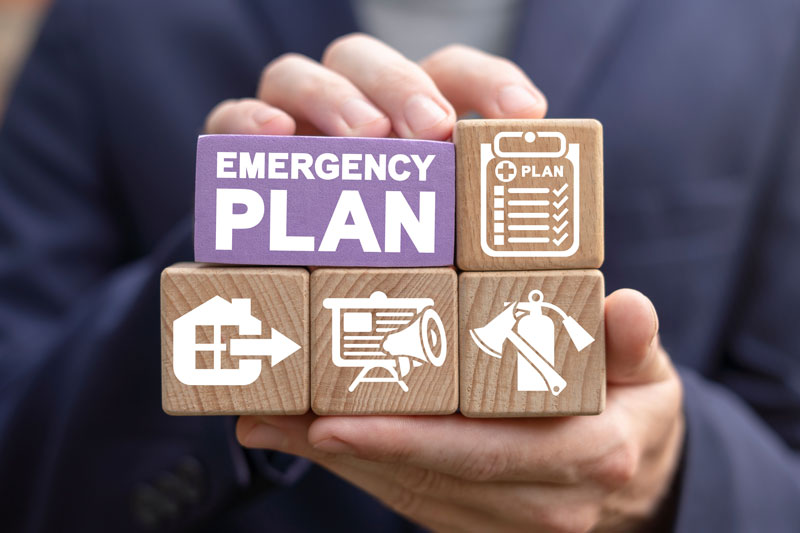
5. Prepare Your Family Before an Emergency Happens
Technology and maintenance can only do so much. Ultimately, your family needs to know exactly what to do if a gas leak occurs. Take these steps now, before you ever need them:
- Walk every family member through evacuation procedures so no one panics in the moment
- Establish a designated meeting point outside your home where everyone gathers after evacuating
- Store your gas company’s emergency line and other key contacts somewhere everyone can access quickly
A few minutes of preparation today can make an enormous difference in an emergency.
6. Responding to a Gas Leak: What to Do Right Now
If you suspect a gas leak, every second counts. Follow these protocols without hesitation:
- Do not use any electrical devices, light switches, or open flames
- Evacuate your home immediately and avoid using your phone until you are outside
- Once outside, call your gas company’s emergency line and report the leak right away
- Under no circumstances should you re-enter your home until a professional technician declares it safe
Protect Your Home and Family
Protecting your home from gas leaks comes down to three things: awareness, prevention, and fast response. By learning the warning signs, keeping up with maintenance, installing detectors, and preparing your family ahead of time, you dramatically reduce the risks associated with gas leaks. Above all, never take a suspected leak lightly.
Contact Home Inspection Carolina or schedule a gas leak detection today.